
Migo: a private map for small friend crews.
Migo is a private map for small crews of friends: you leave a drop where you are, and your friends find it on the map. I lead its product design in Figma and hand the implementation to Claude Code.
- Role
- Product design lead
- Built with
- Figma, Claude Code, React Native
- Runs on
- iOS and Android
- Status
- MVP on phones, in testing with friends
01The drop
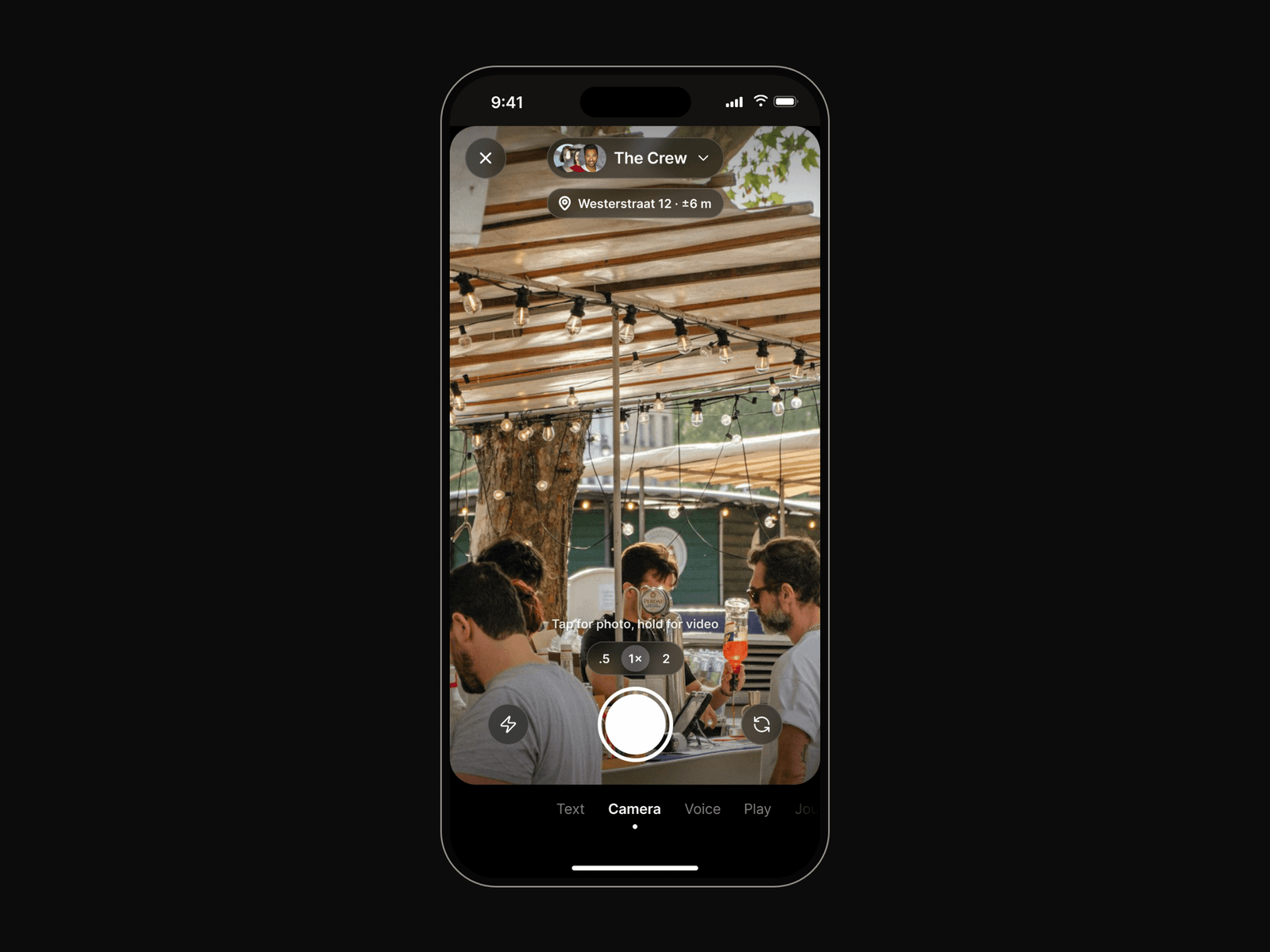
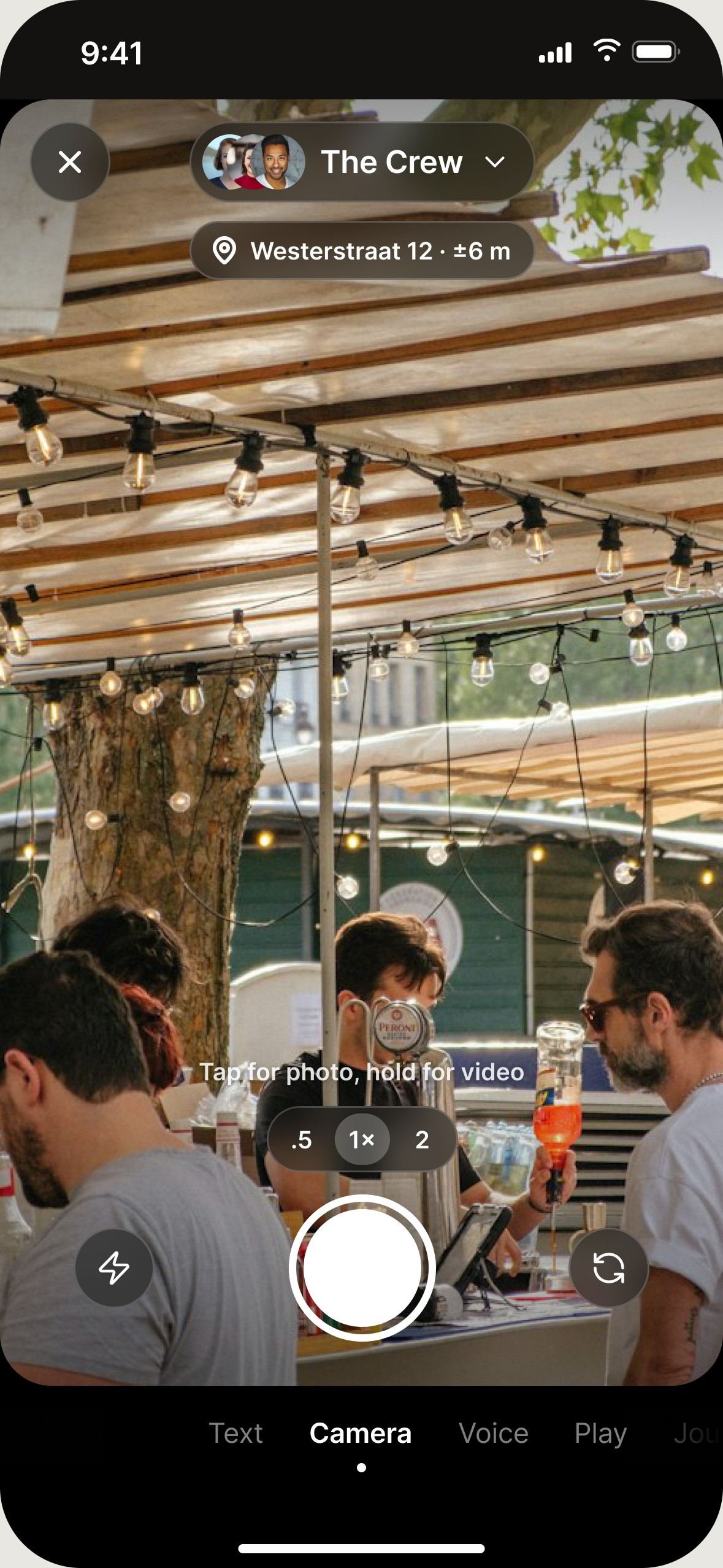
A drop is left where you stand.
The camera opens on the crew the drop goes to and the address you are at. A drop is a photo, a video, a voice note or words, and one button leaves it there.
-
-
02On the map
The drop’s type picks its mark.
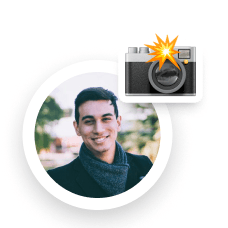
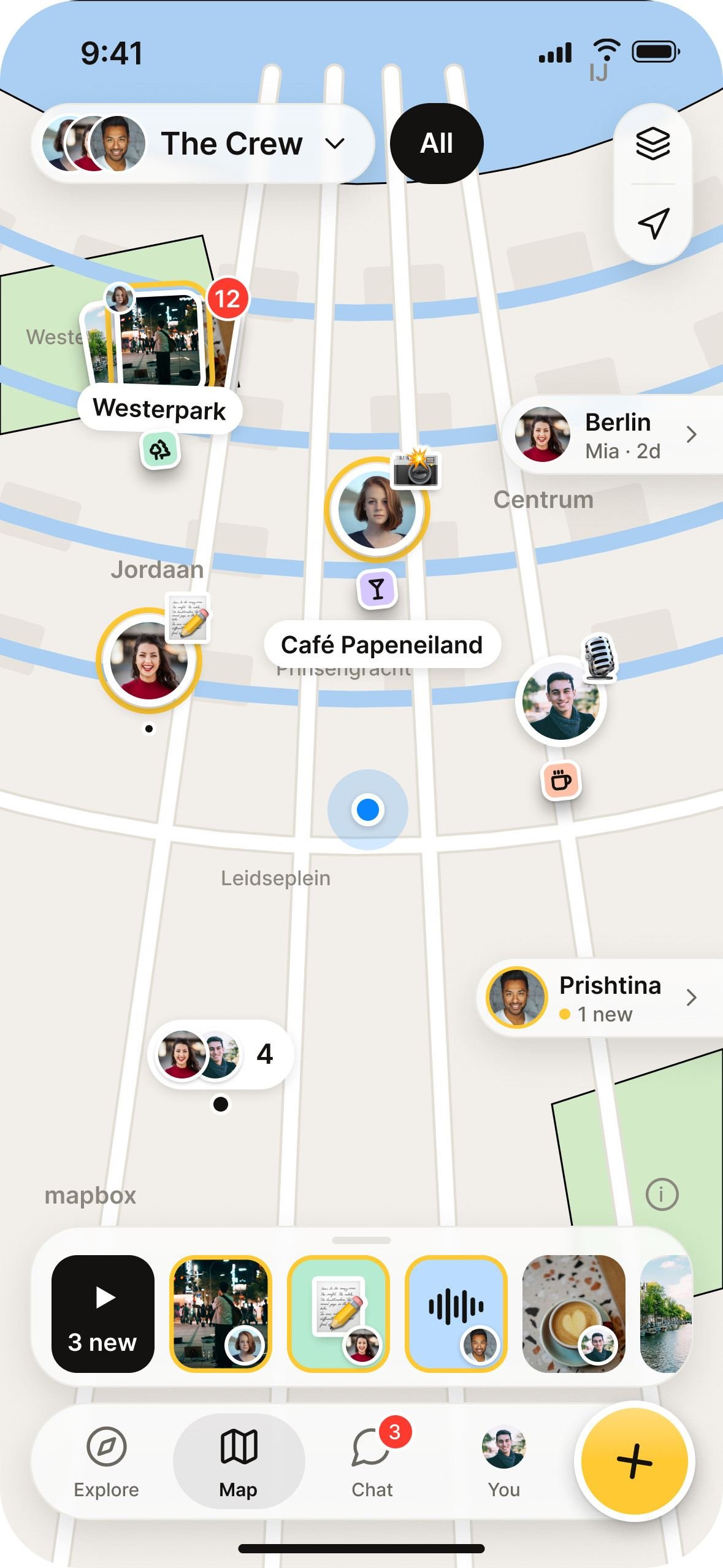
Every drop used to ask its author to pick an emoji for its pin. Now the type of the drop sets the mark, the same on every phone. The pick row and the emoji sheet went, which took a step out of dropping, and the corner says what the drop is.
Cut
City discovery, with its place markers and events. The map is for drops.













03The crew’s spot
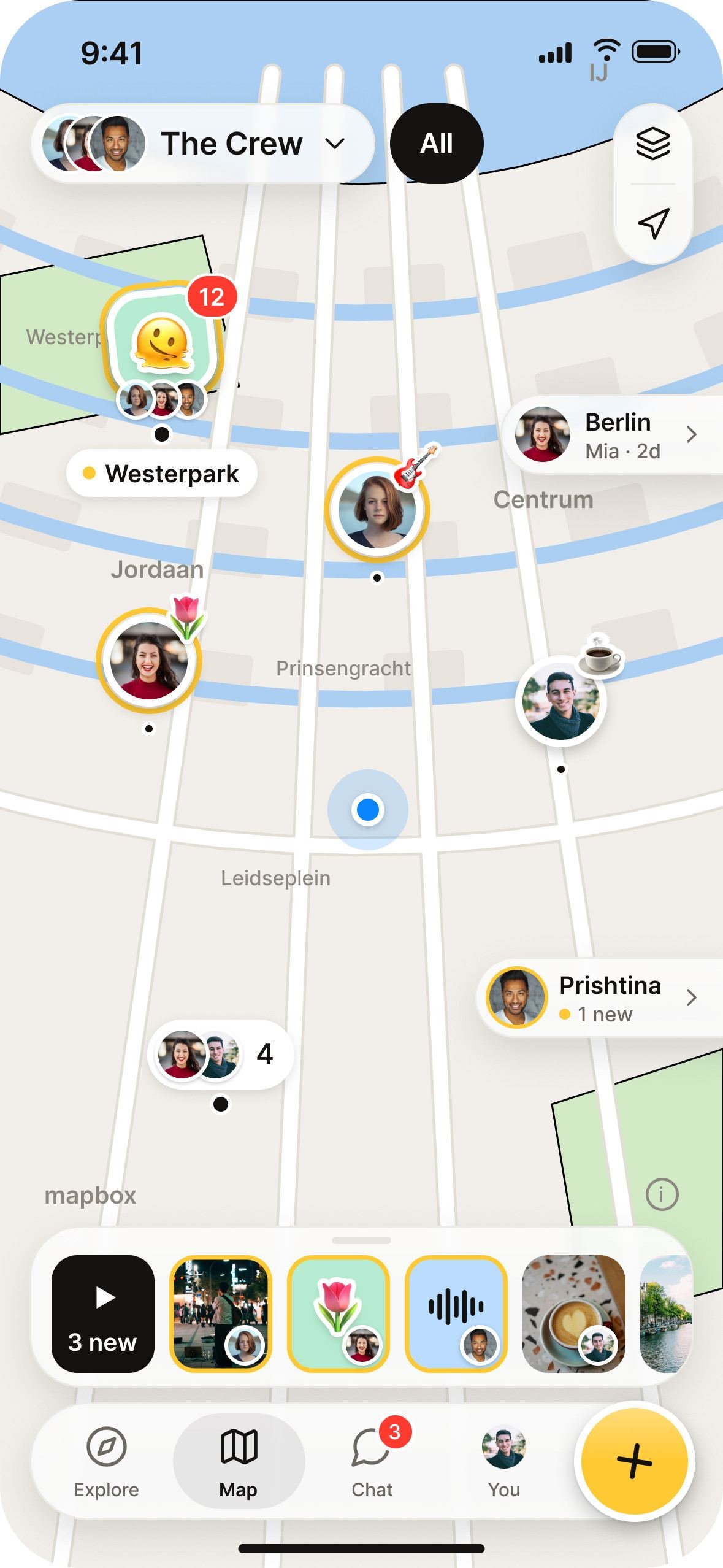
A crew’s spot became a pile of what the crew left there.
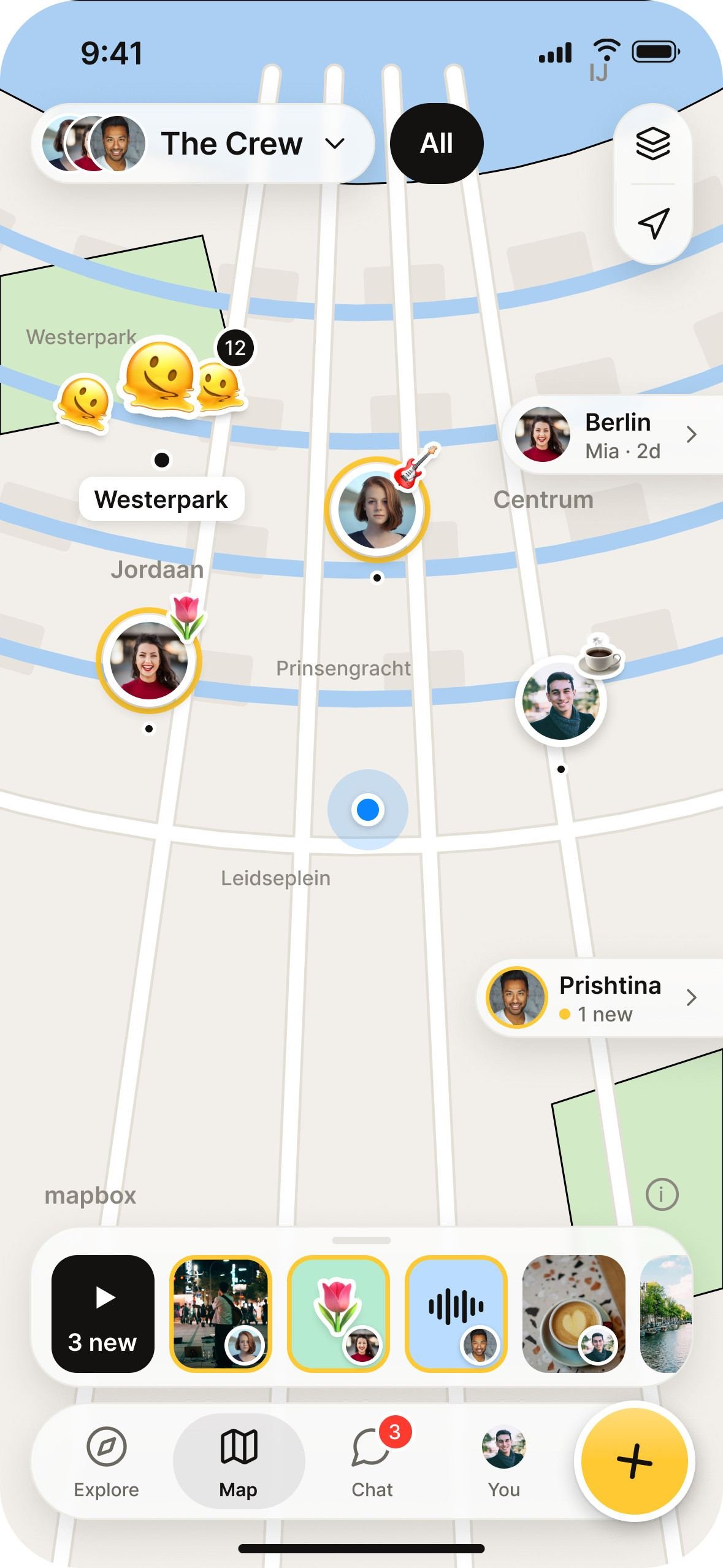
On a phone the spot showed the same emoji three times and didn’t stand on its point. A die-cut badge was built next. Once every drop carried its type’s mark, the badge was nearly always a camera and said nothing about the place, so the spot became a pile of its three newest drops.
-
-
-
04Chat
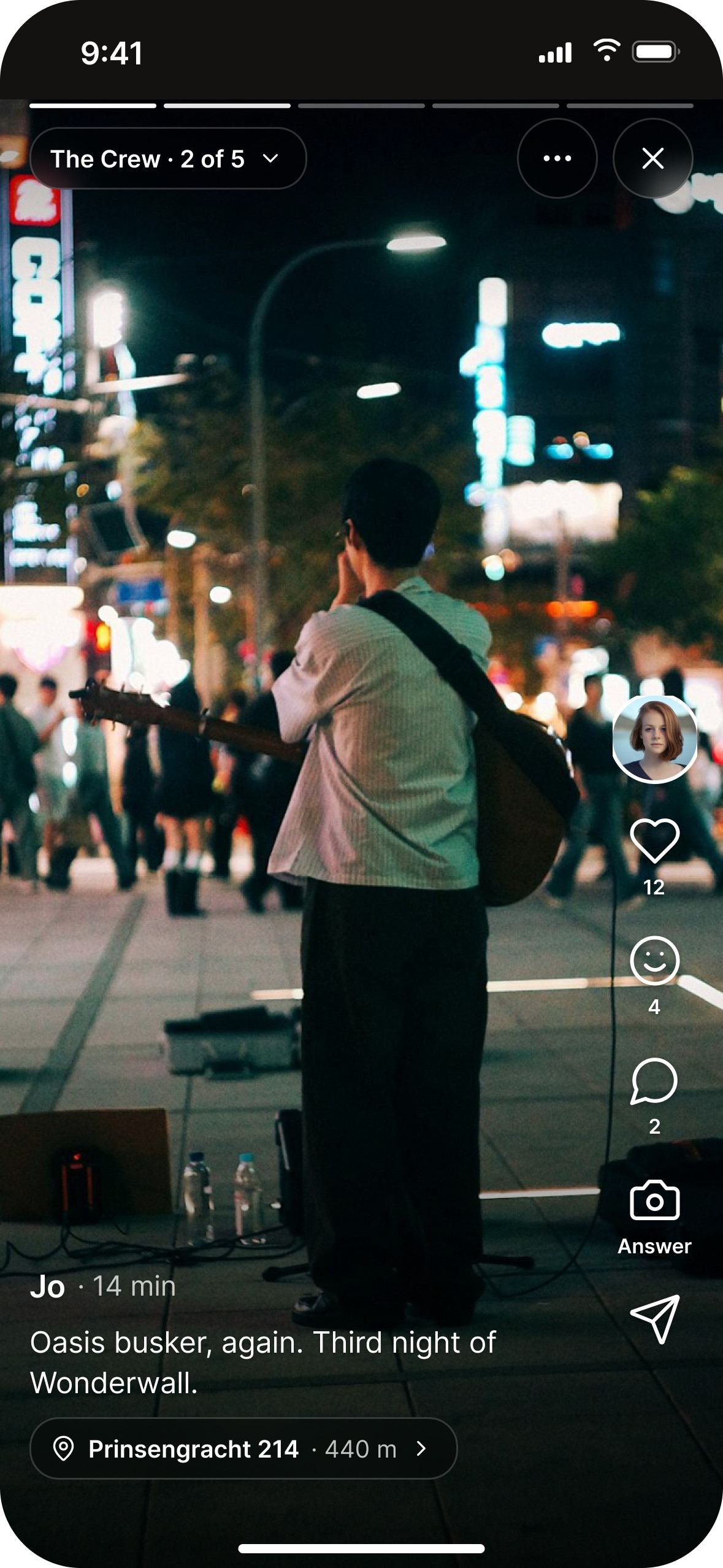
In the chat, the card is the drop.
In the test with friends the chat’s drop card was mostly text: the street twice, and a button. Now the card is the drop itself, with its picture, the author’s face, one place pill and the time. Opened, it fills the screen, and Answer replies with a drop of your own.
-

-
05New drops
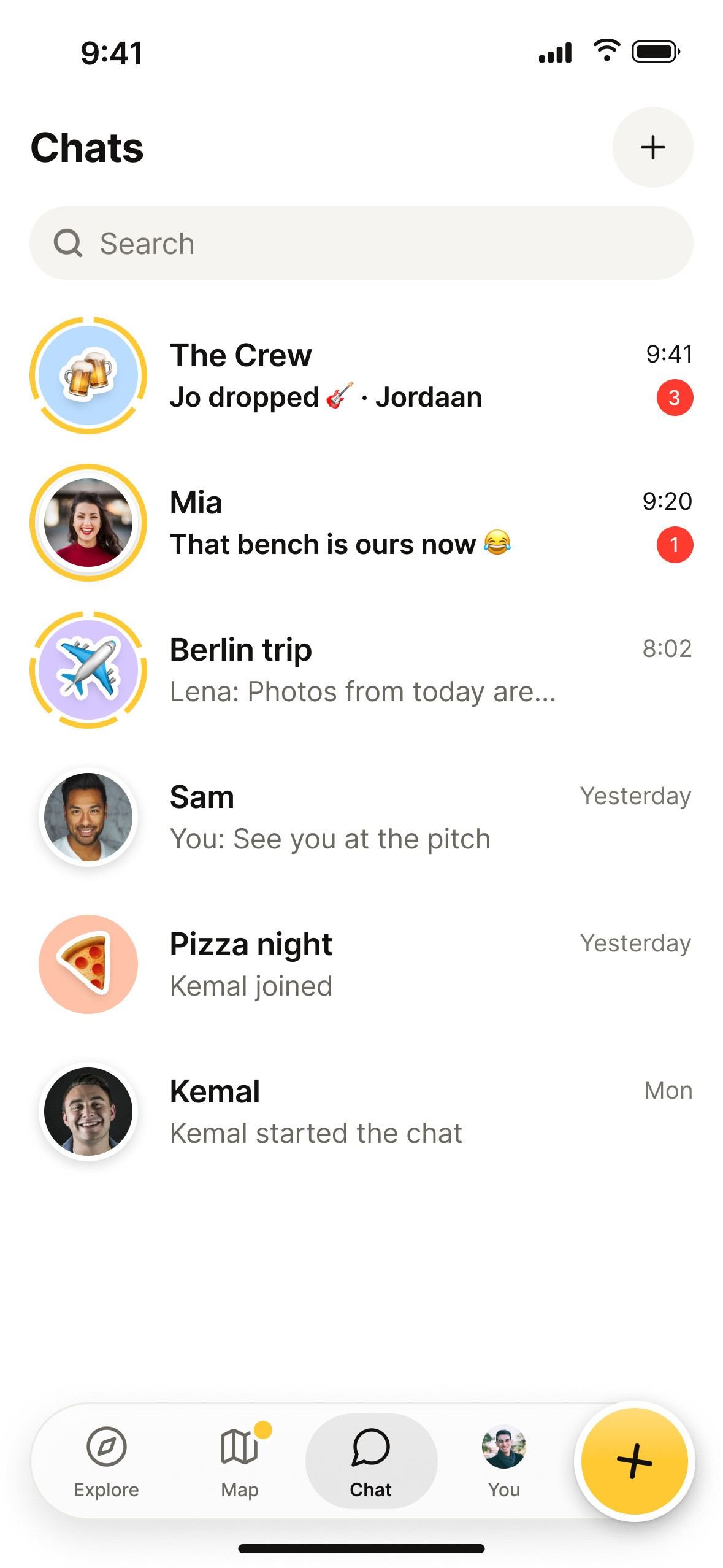
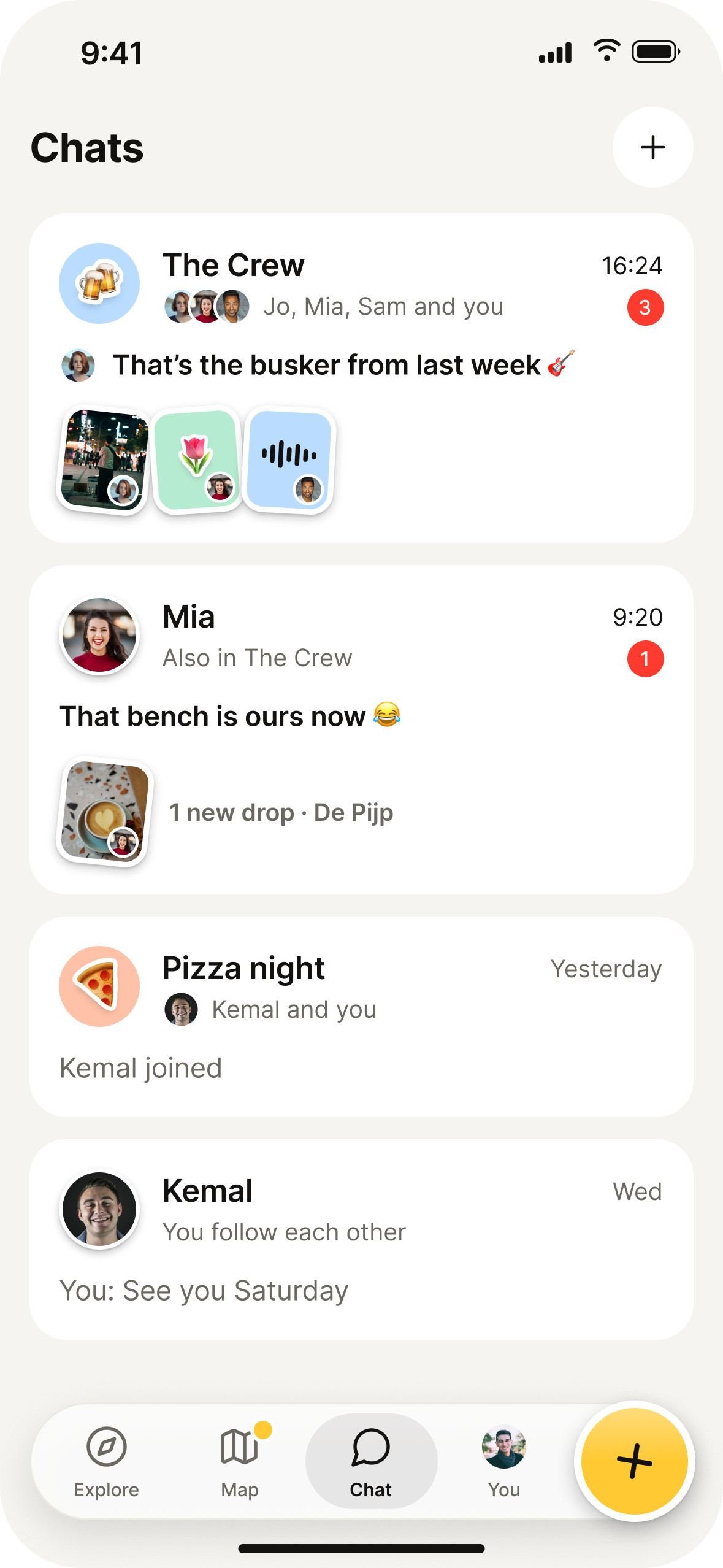
New drops went from a ring nobody saw to cards.
A crew’s new drops were first marked with a ring round its circle. In the test with friends nobody noticed it. The drops moved into the row as stickers, and every chat became a card, because most people have a handful of chats and a list built for fifty looked empty.
-
-
06You
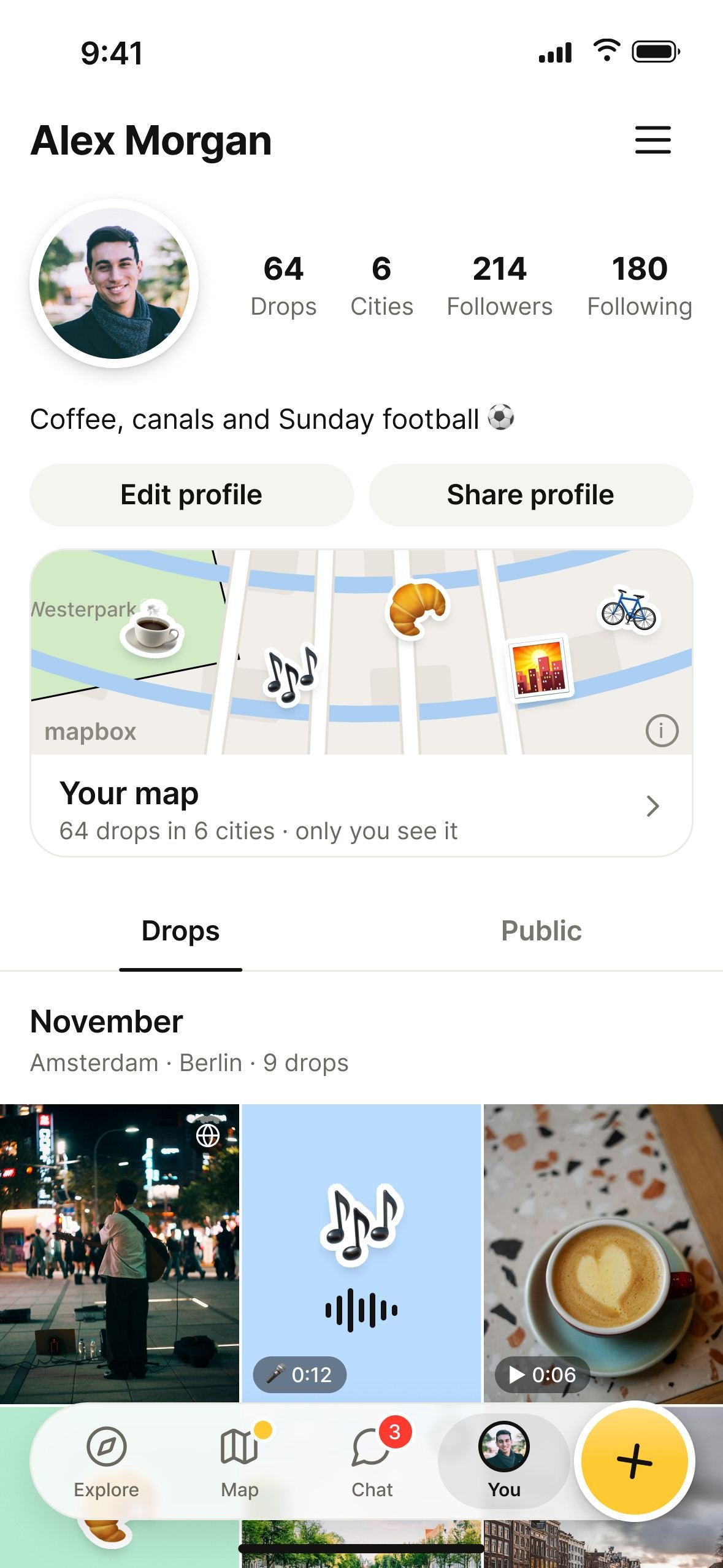
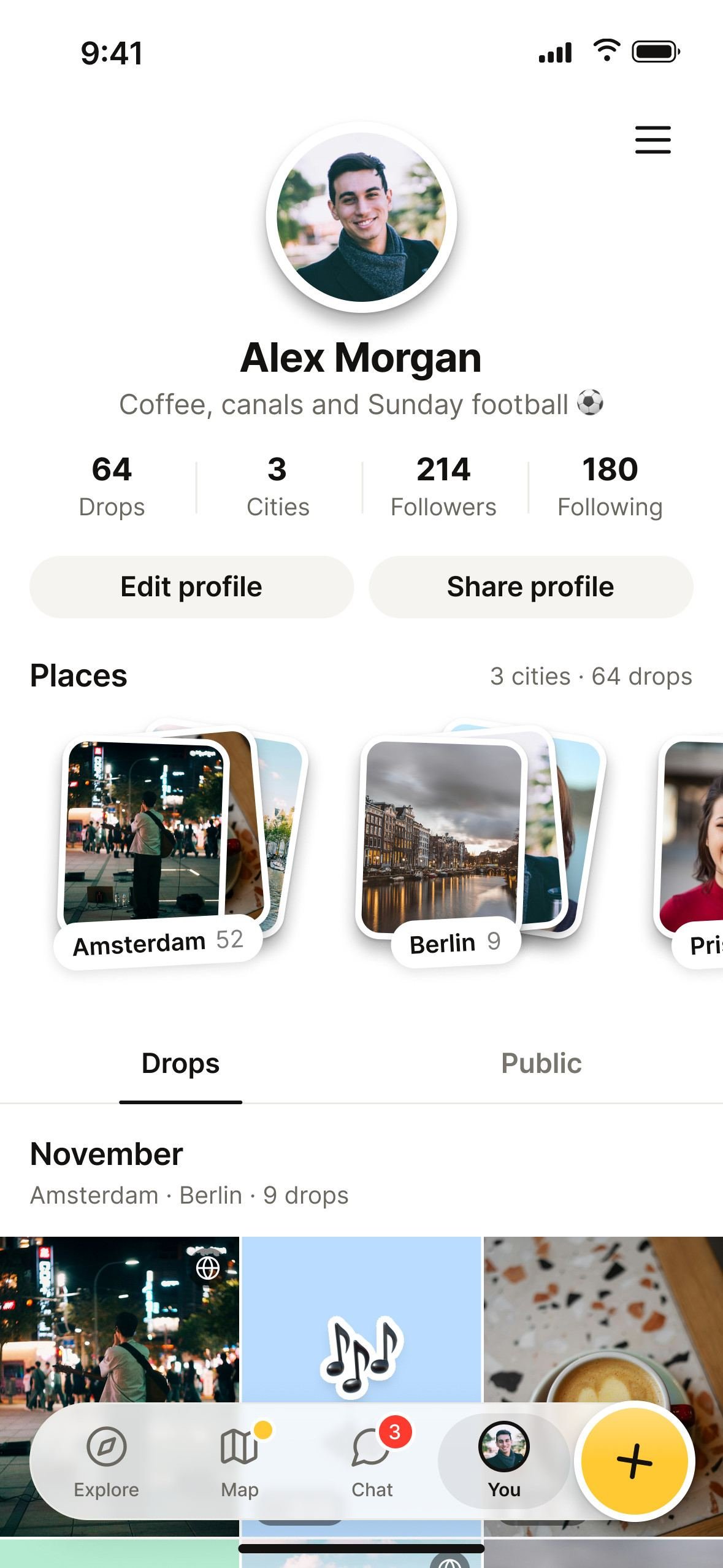
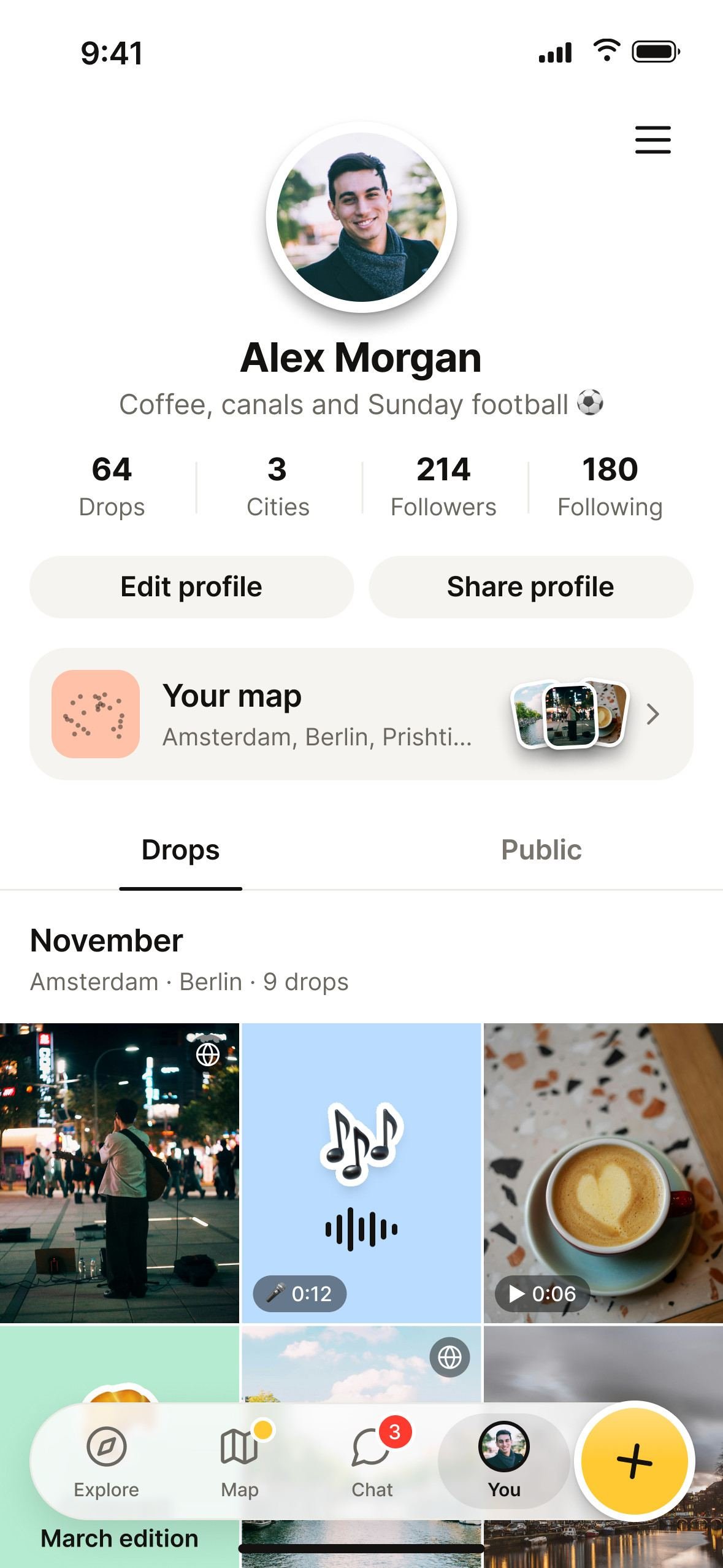
Your map took four tries to get simple.
Each try was picked, built and on phones before the next. The live map card’s marks were too big for its size, and the stamps and the postcards looked too complex next to the rest of the profile. The simplest one stayed: one row with the dot map, your cities and your three newest drops.
-
-

-
-
07How it is built
Designed in Figma, written by Claude Code.
I design Migo in Figma and hand the implementation to Claude Code. A round is built, put in front of friends and changed; the build on phones is the fifteenth. It goes to the stores from there.
- 01 Figma Done
- 02 Build Done
- 03 On phones Now
- 04 Stores Next